ATTENTION · 9 MIN READ
The Case for Slow Looking
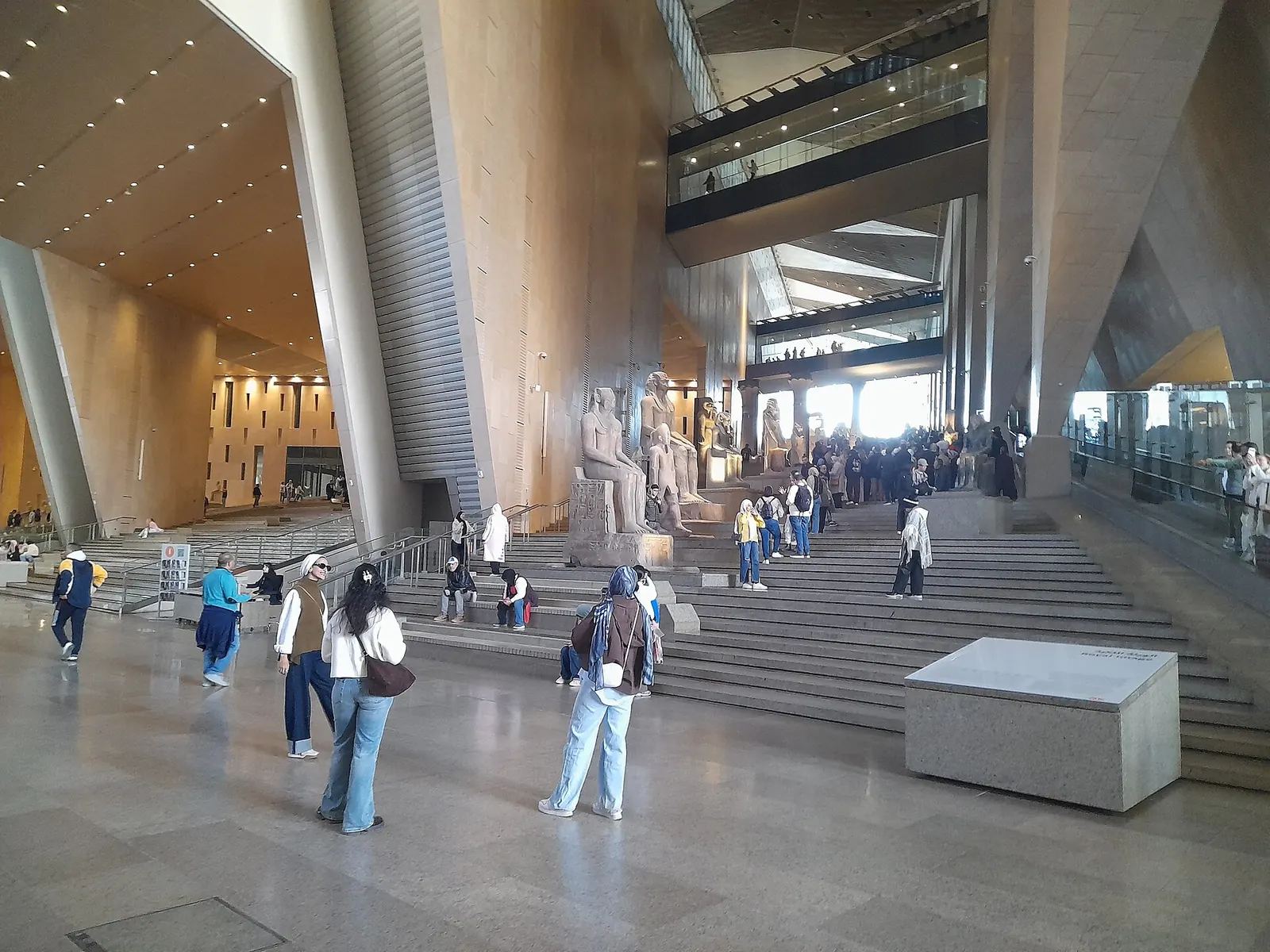
“Slow” is not a moral virtue or a personality type. It is a repeatable sequence: describe, compare, read, return and state what remains uncertain.
READ THE COVER STORY →Six essays about what happens between entering a museum and remembering it: where attention goes, why authority changes and how the body edits the visit.
THE CURRENT ISSUE
ATTENTION · 9 MIN READ
“Slow” is not a moral virtue or a personality type. It is a repeatable sequence: describe, compare, read, return and state what remains uncertain.
READ THE COVER STORY →AUTHORITY · 8 MIN
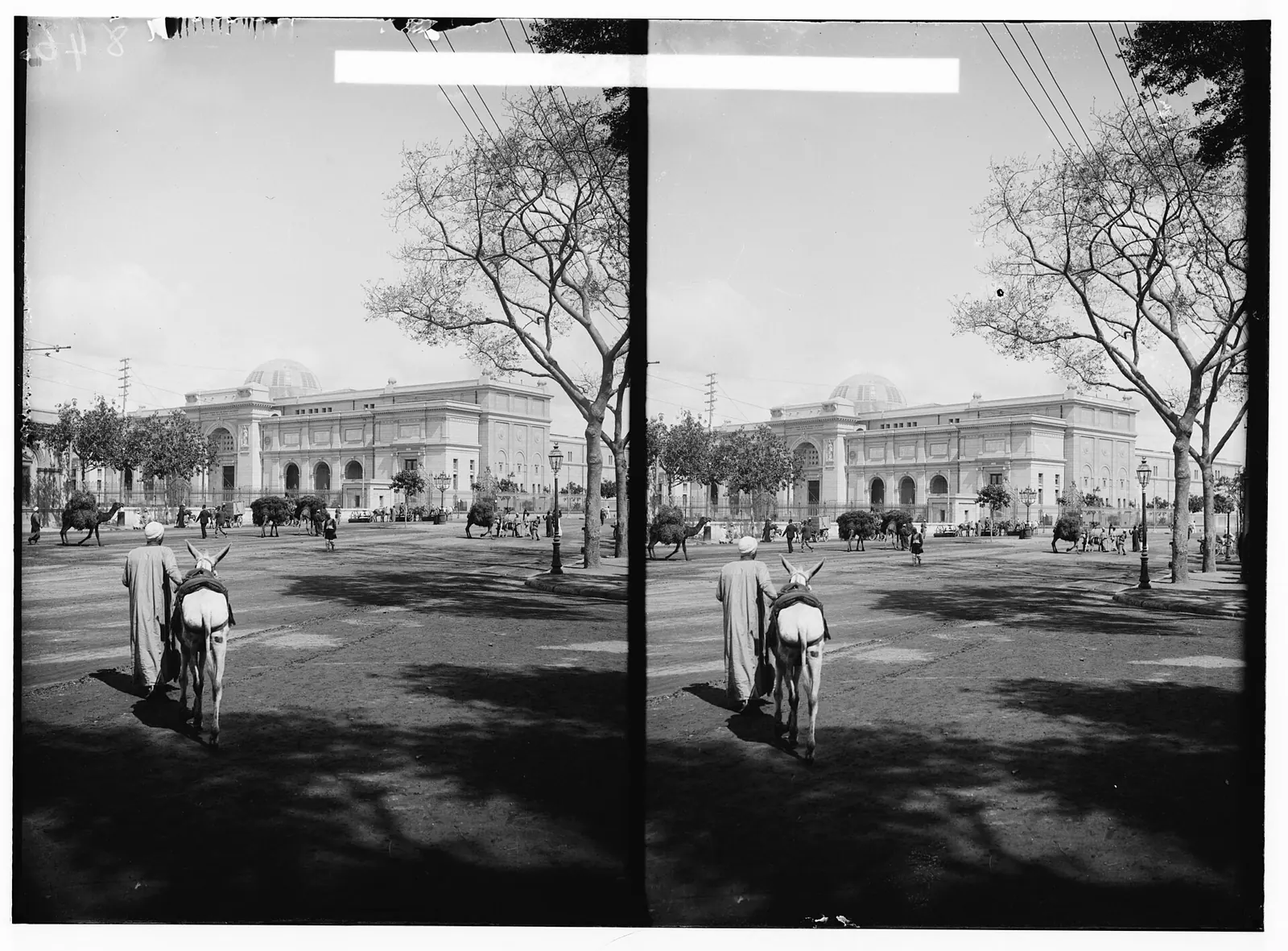
A changed date is not proof that expertise failed. It may show that evidence, terminology or attribution improved.
READ ESSAY →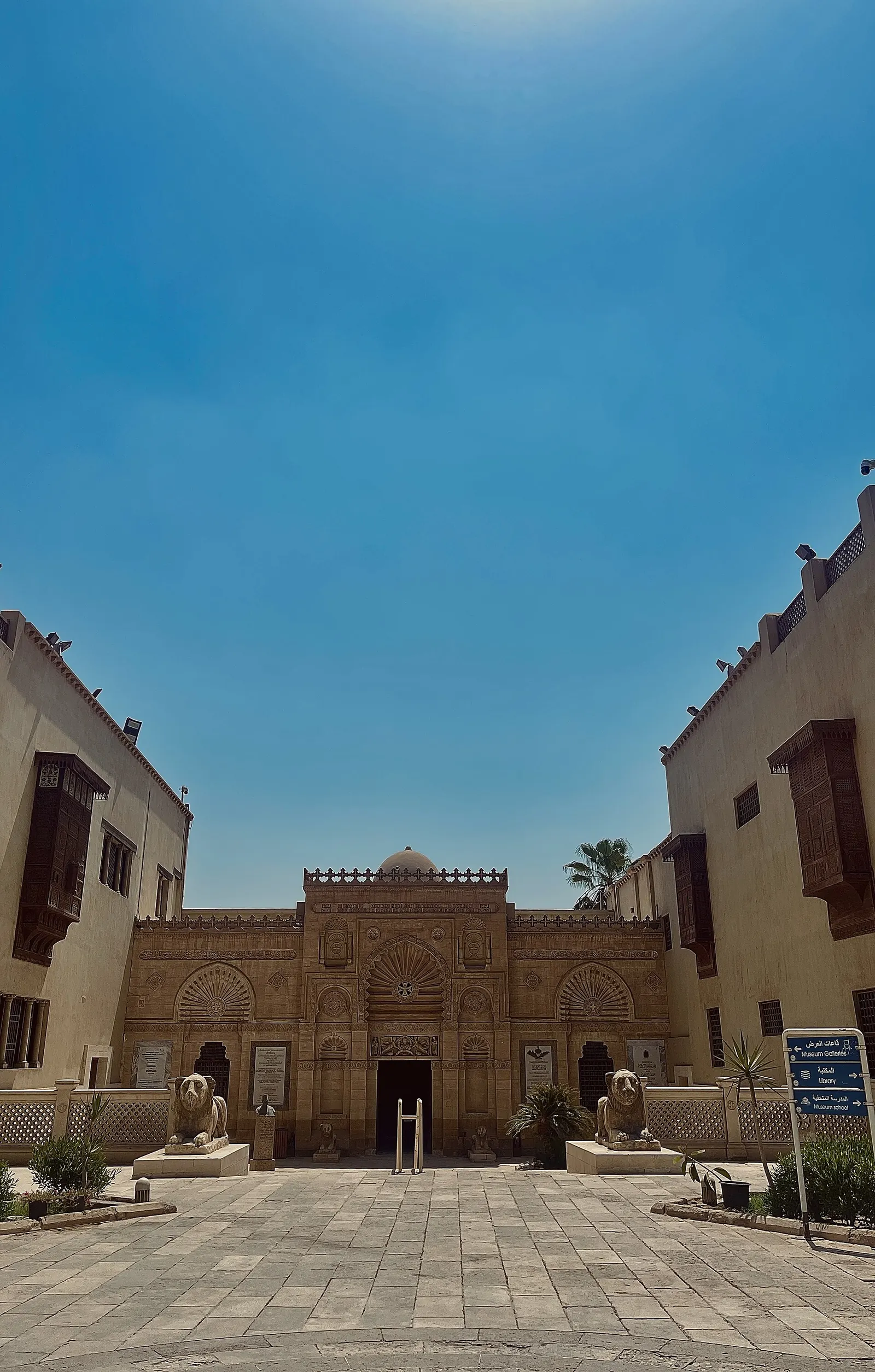
CONSERVATION · 8 MIN
Light enables vision and causes cumulative change. Textiles, paper and pigments make the trade-off visible.
READ ESSAY →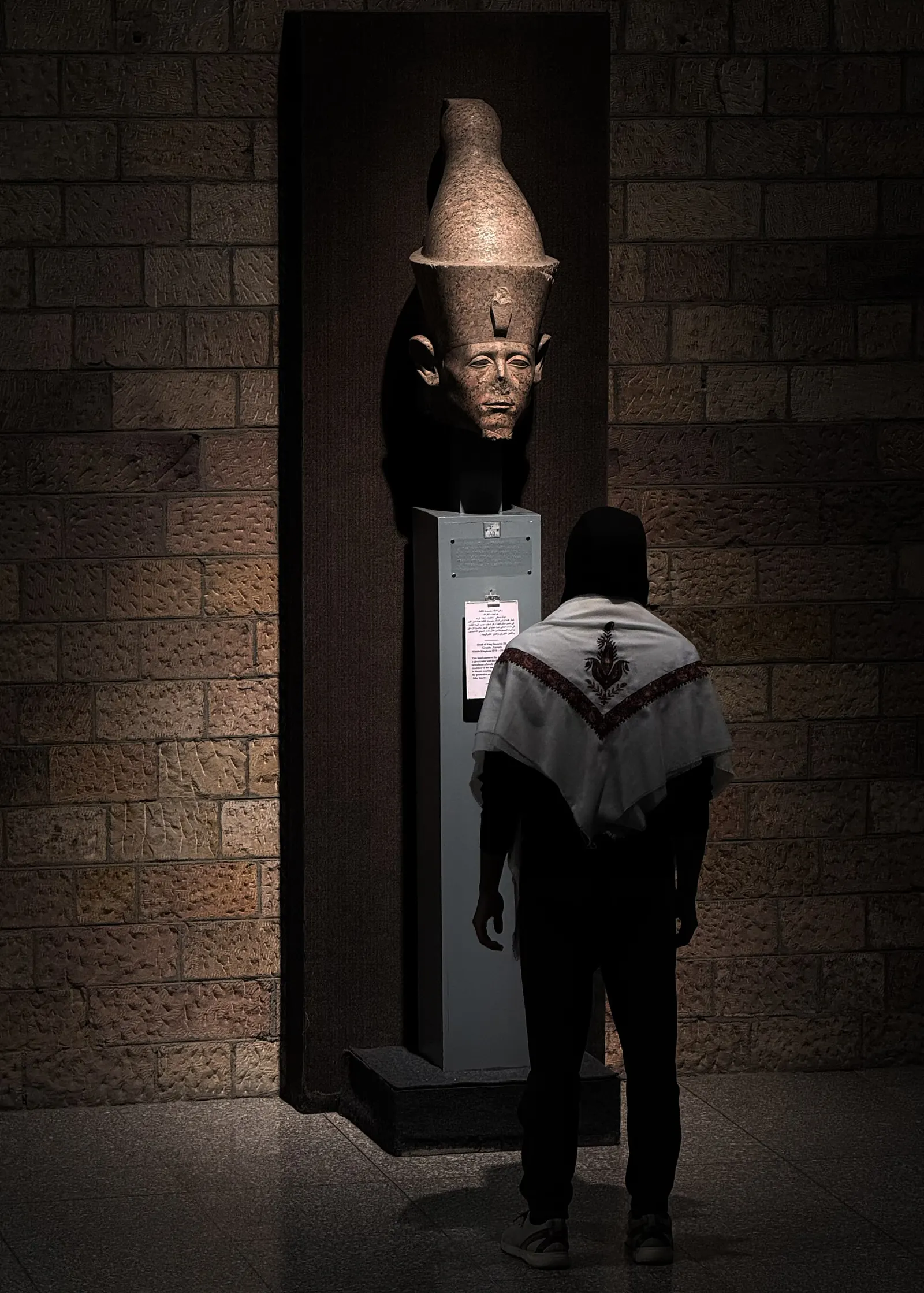
BODY · 9 MIN
Tiredness is not a character flaw. It is feedback about decisions, sound, standing, reading and the route the museum asks the body to perform.
READ ESSAY →
MEMORY · 8 MIN
The problem is not photography itself. It is using the camera before the eye has formed a question.
READ ESSAY →EXHIBITION DESIGN · 8 MIN
An exit can summarize, unsettle or simply exhaust. The final sequence edits how every previous room is remembered.
READ CLOSING ESSAY →
EDITORIAL POSITION
Buildings, labels, light, routes, phones and tired bodies all influence what appears important.